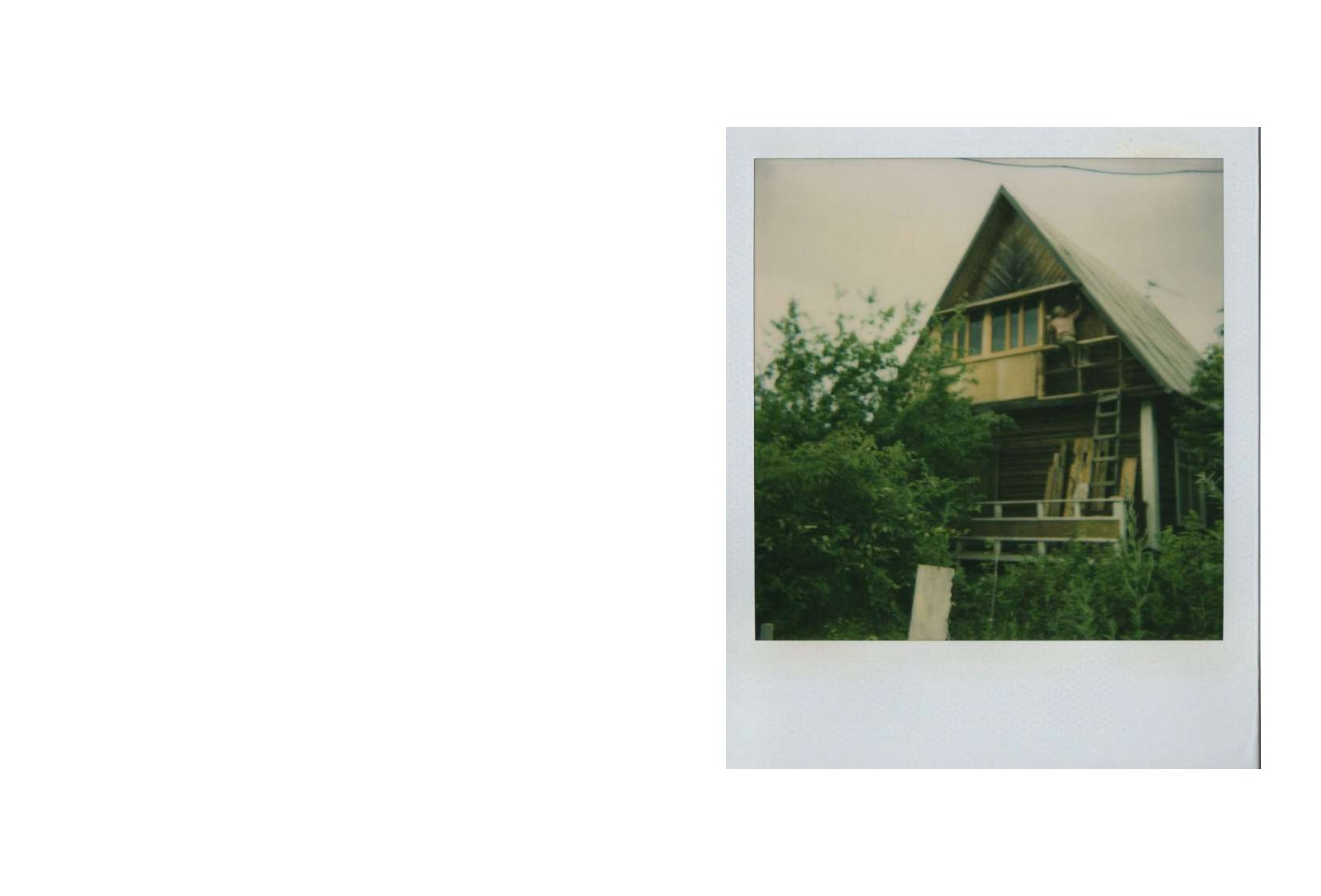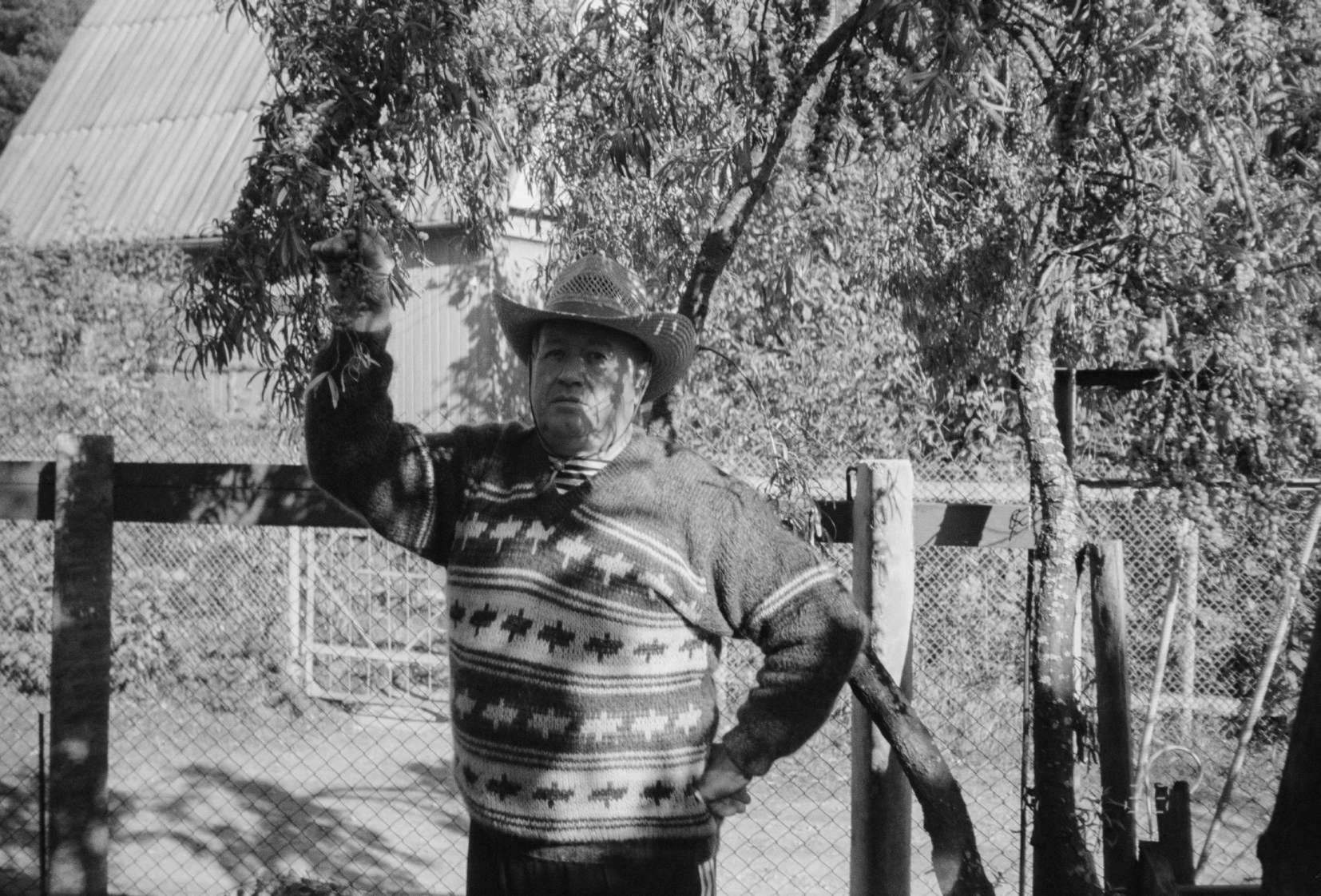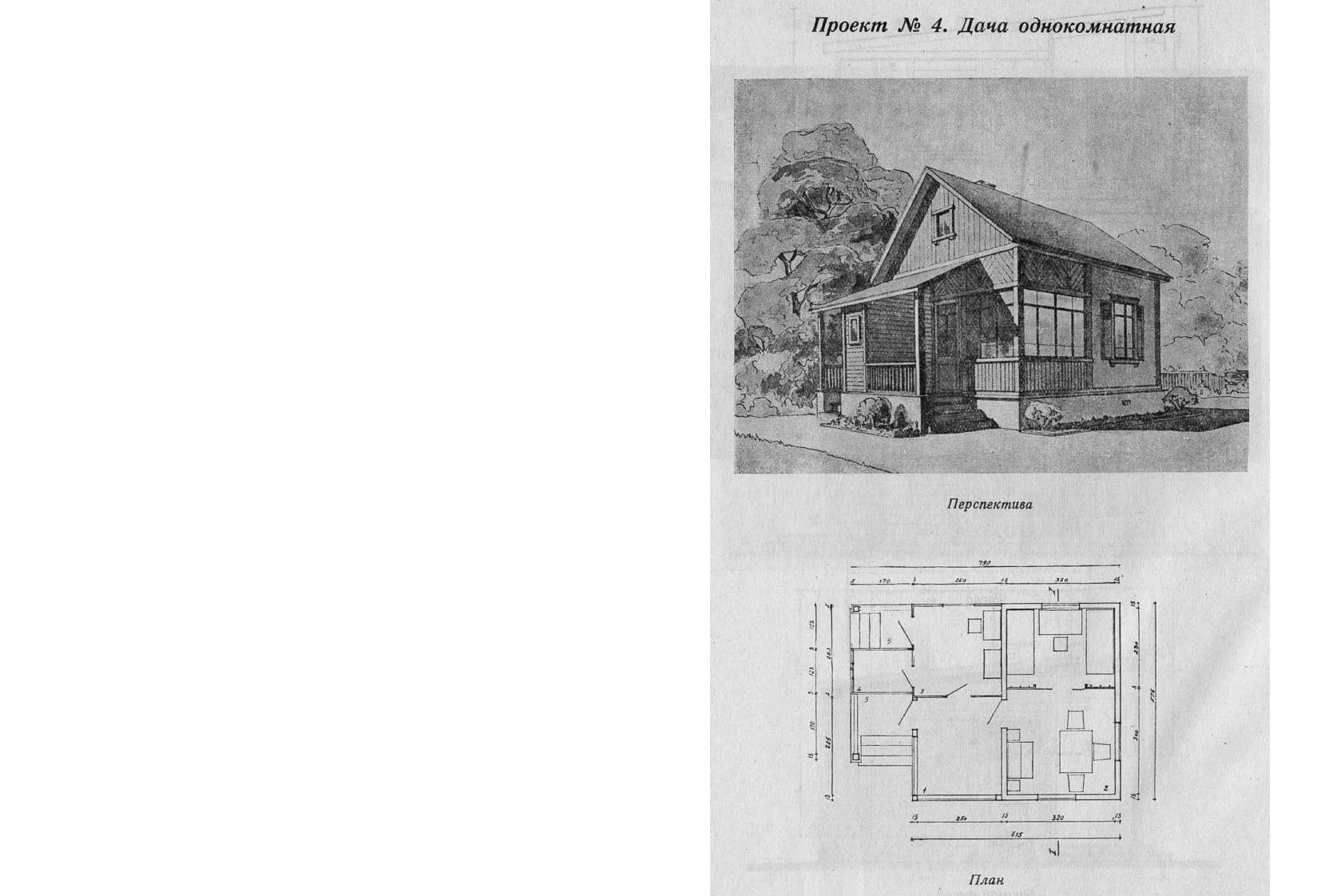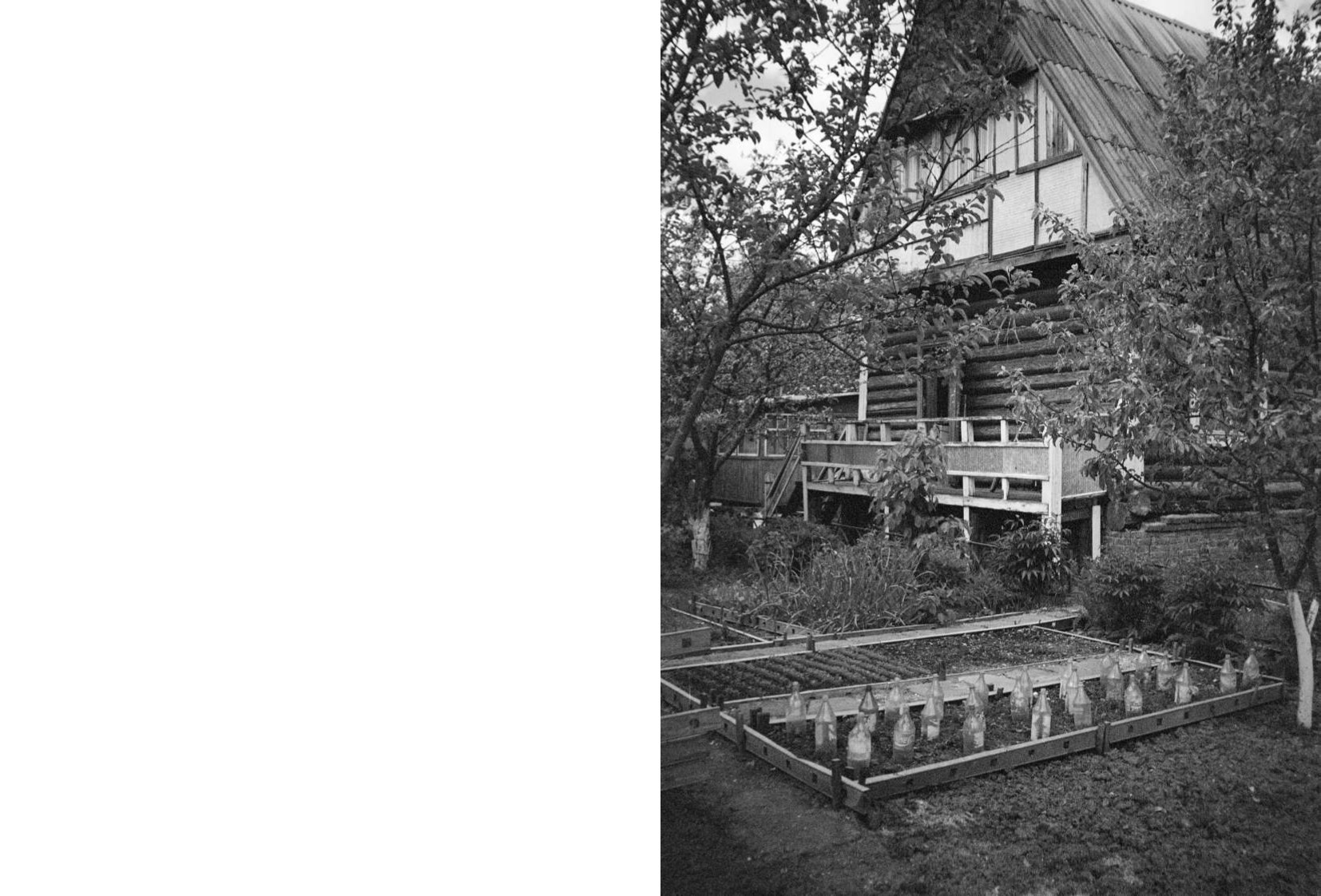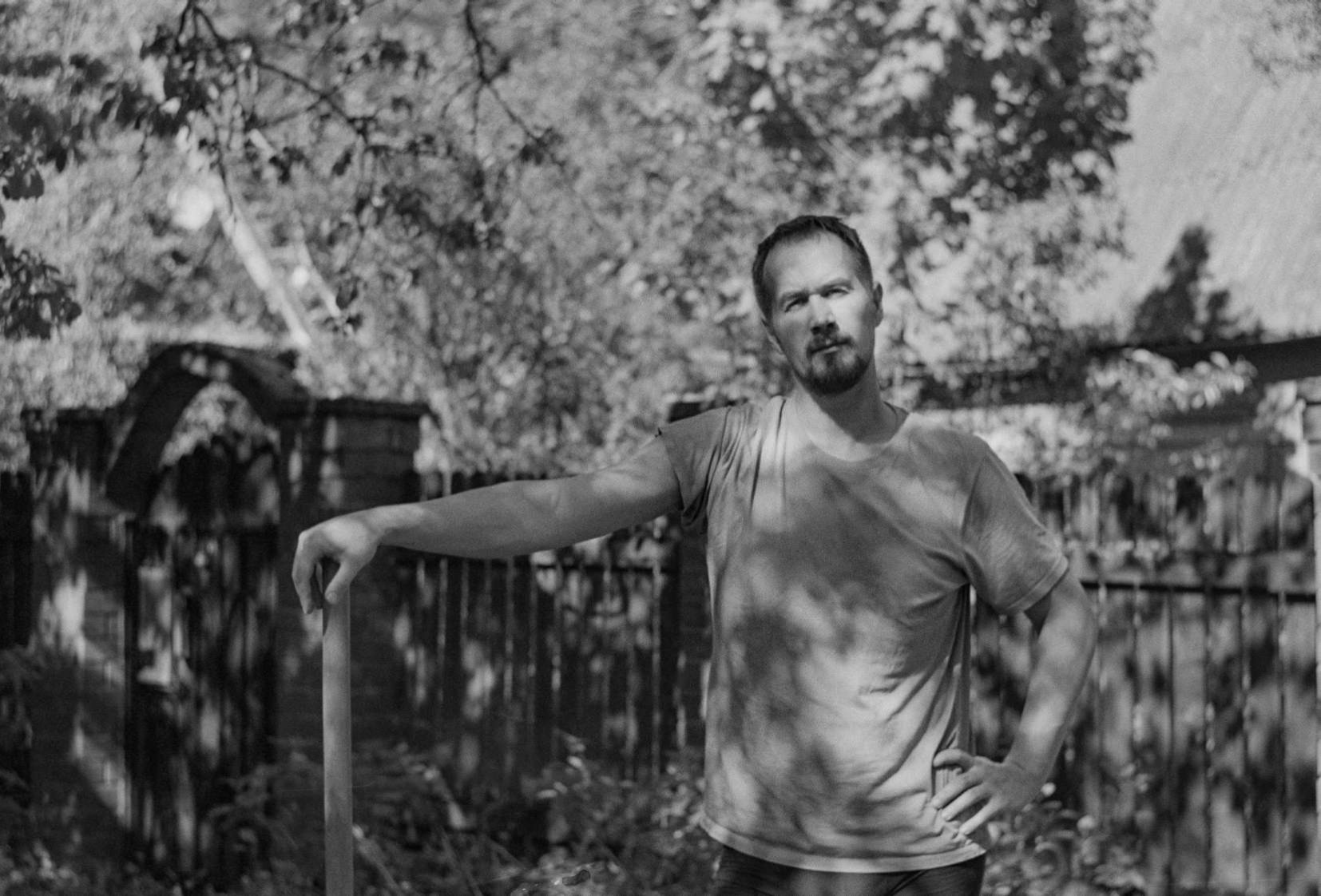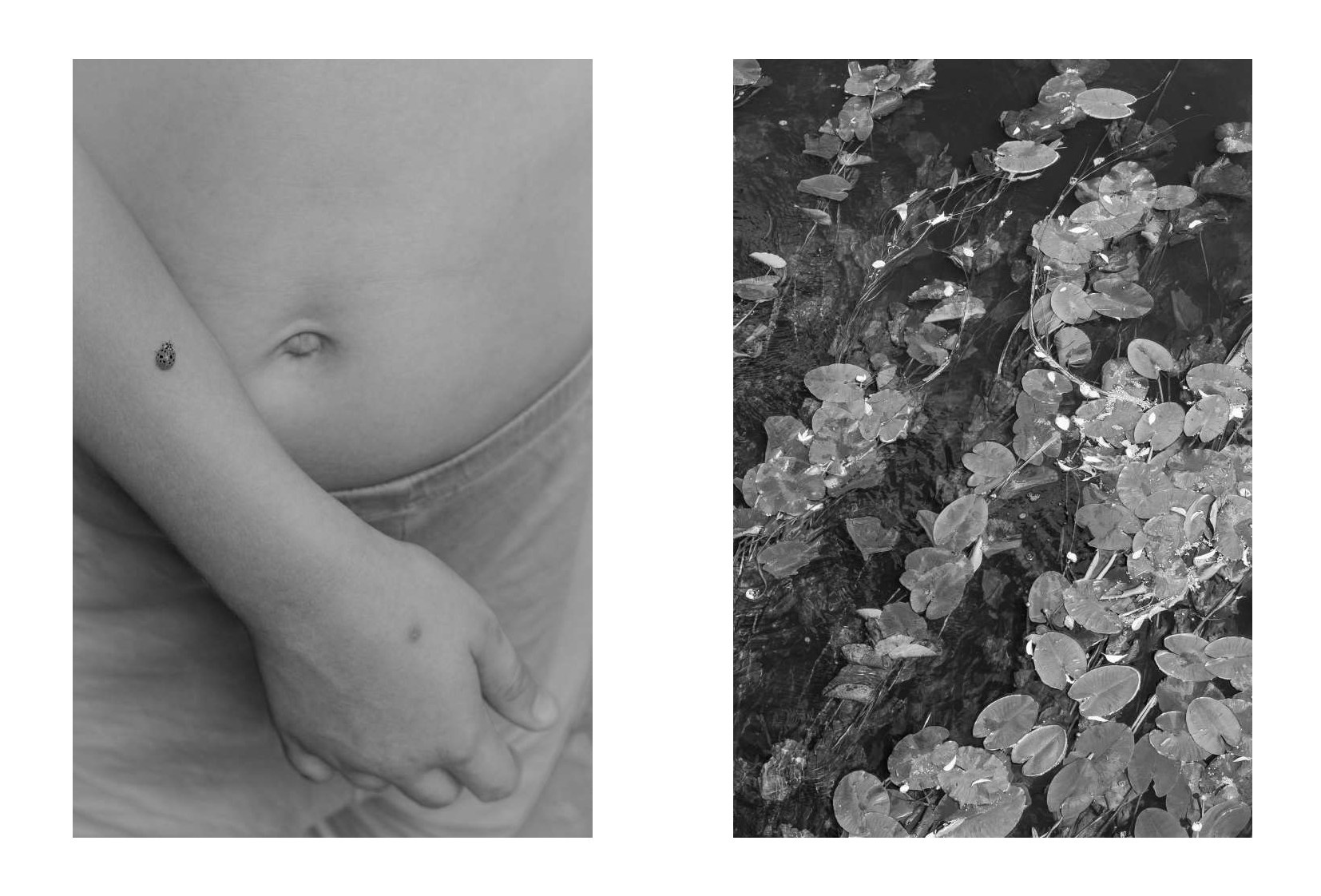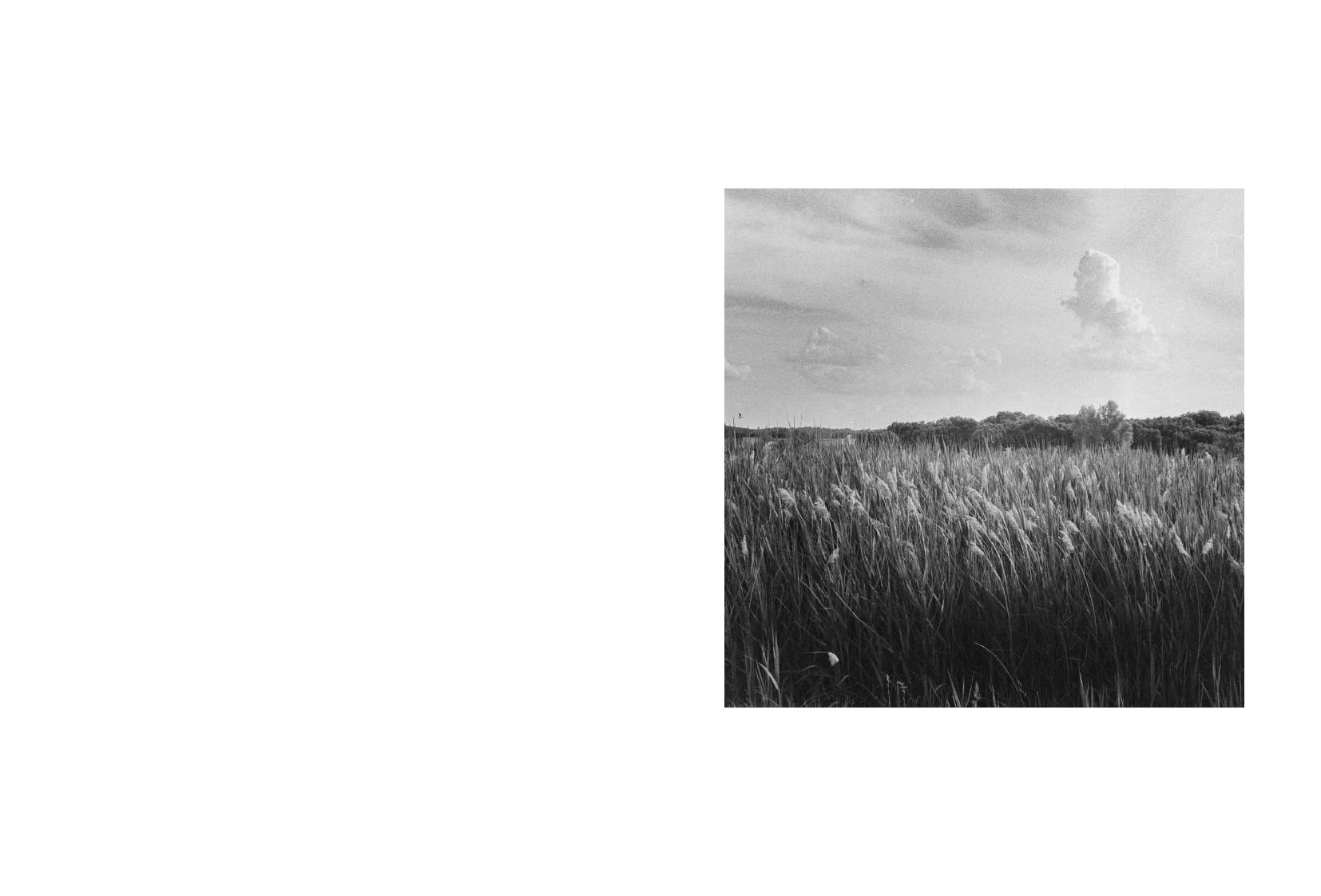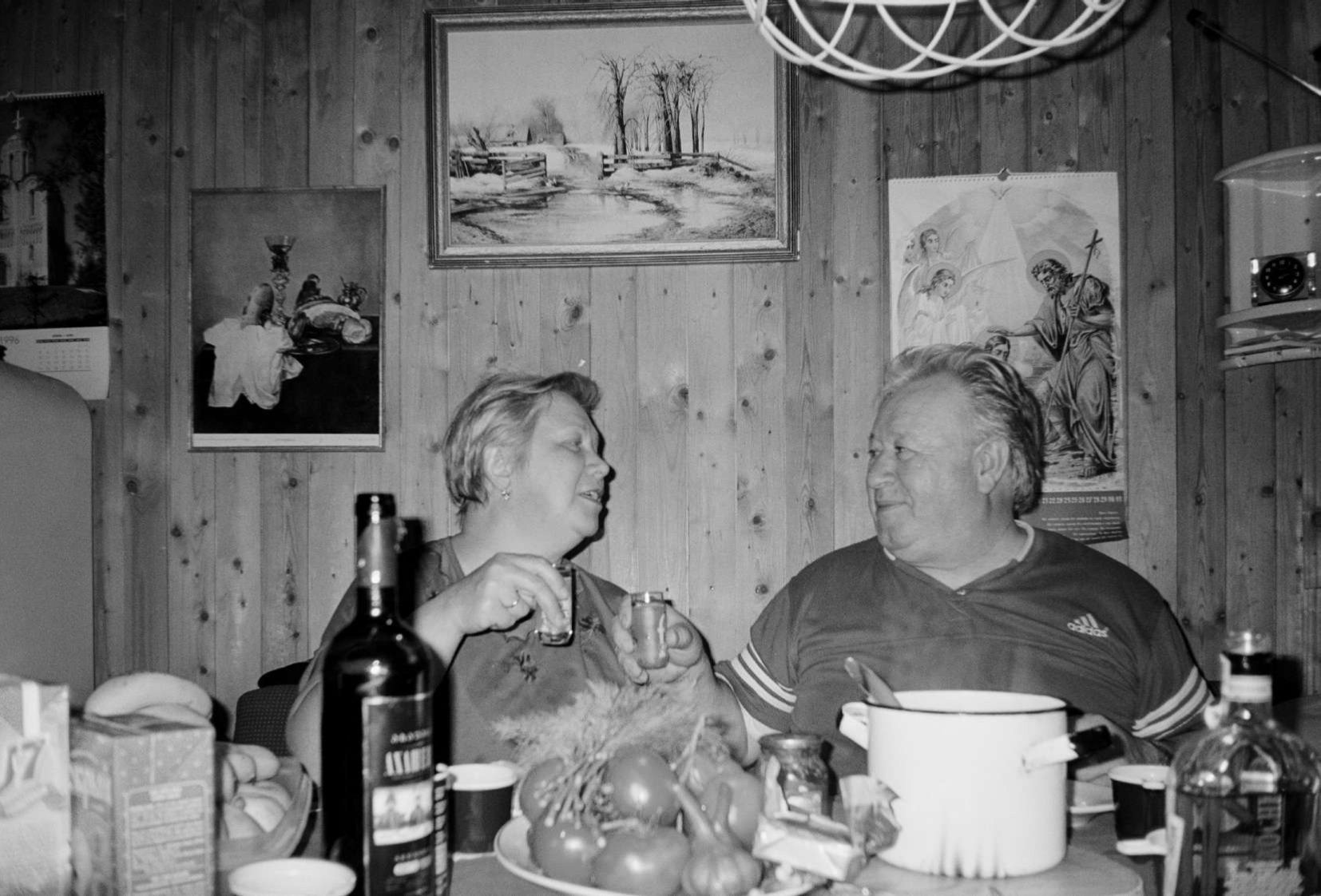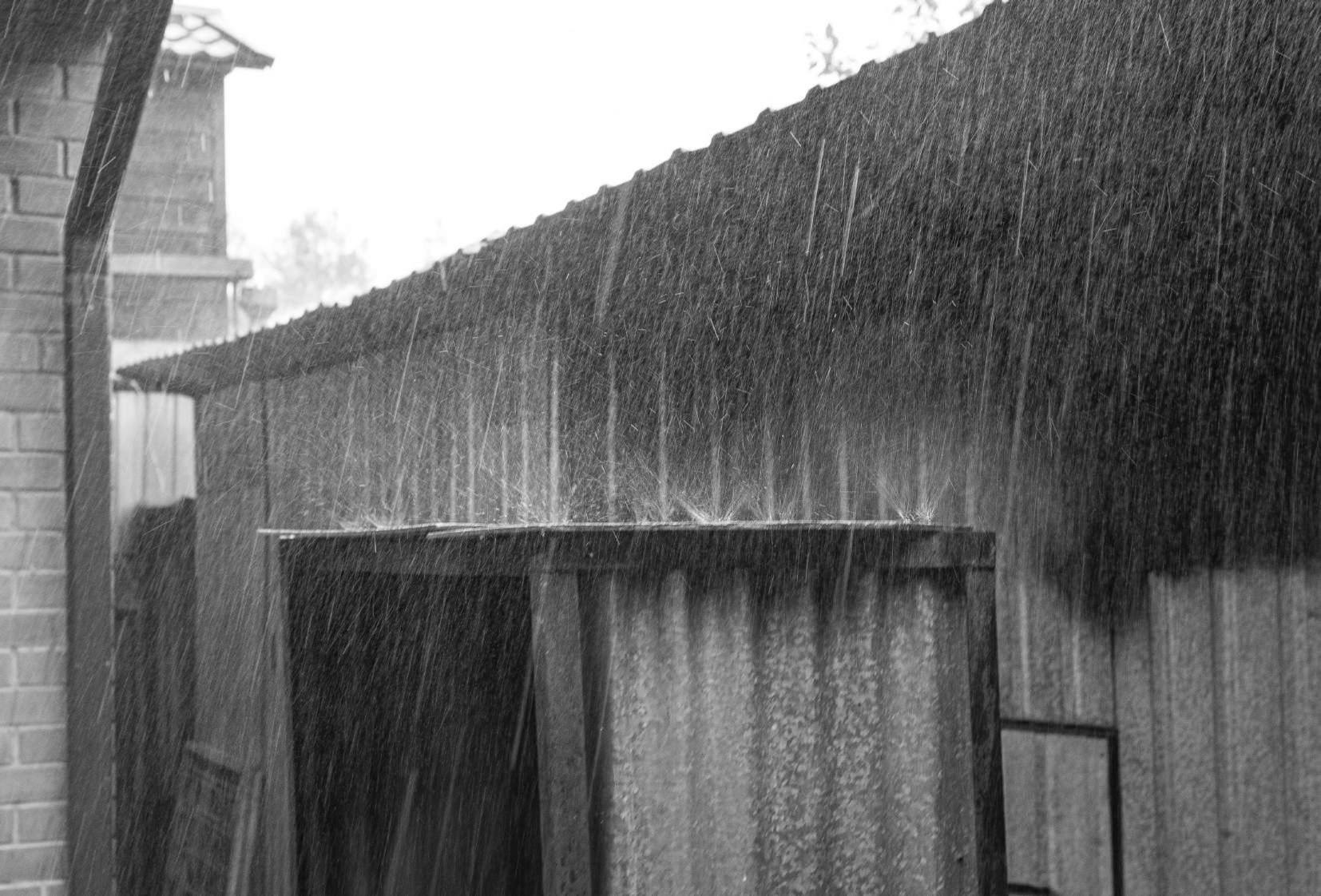
What does the dacha truly mean to a modern post-Soviet individual? Through the lens of family archives, personal observations, and moments captured across generations, I look into this unique domain—not just as a physical space, but as a psychological phenomenon.
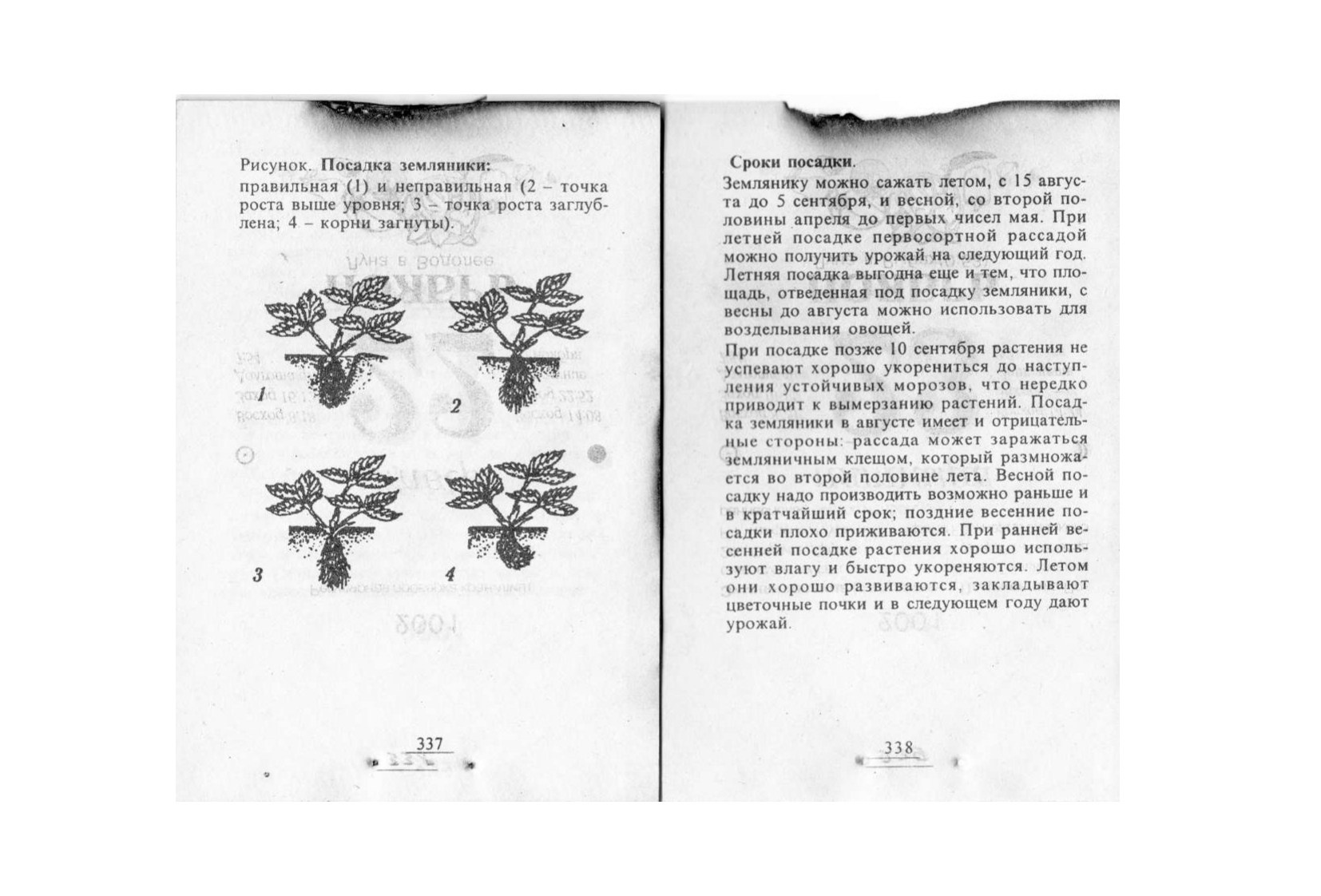
During the Soviet era, a dacha was far more than a mere plot of land; it was an autonomous island of freedom. It offered a vital escape from overcrowded communal apartments, cramped industrial cities, and rigid state control. Within their designated six hundred square meters, families became the absolute masters of their own realm—deciding what to plant, how to build, and when to water. While cultivating the earth was essential for physical survival during long, hard winters, it also provided a rare kind of mental independence. Tending to the land allowed people to disconnect from the overwhelming demands of the state and focus simply on growing something pure, real, and self-made. The dacha became a profound symbol of resilience, self-reliance, and quiet hope.
I spent my childhood at my grandmother’s dacha, and those times remain my most cherished memories. Years later, this inherited garden returned to my life. Today, as external pressure and systemic control tighten once again, we flee to where the asphalt ends. We flee to hide behind the green curtain of the forest and find temporary salvation. To be together, to stand still, and to remember who we truly are.
This book is an attempt to manifest memory. To capture the moments of escaping peace and to explore the phenomenon of a place that, across generations, remains our ultimate sanctuary.
In the shadow of an old apple tree.
Status: Project in progress / Dummy stage.
Full PDF-dummy and project portfolio are available upon request for curators, publishers, and institutions.